biographical
📄Born in Genoa, Christopher Columbus dared to dream the impossible: reaching Asia by sailing west. This sweeping novel chronicles his relentless struggle against skepticism, poverty, and rejection from European courts before Queen Isabella of Spain finally backed his audacious voyage. Across three dramatic crossings of the Atlantic, readers experience mutinies, shipwrecks, and the breathtaking moment of landfall in 1492. Yet triumph gives way to tragedy as colonial ambitions breed betrayal, illness, and disgrace. Richly detailed and deeply human, this novel portrays Columbus not merely as an explorer, but as a flawed visionary whose courage forever reshaped—and shattered—two worlds.
📄The History of Henry Esmond (1852), by William Makepeace Thackeray, is a historical novel set in late seventeenth- and early eighteenth-century England. Written as an autobiographical memoir, it follows Henry Esmond, an orphan raised in the noble Castlewood household. Amid the political turmoil of the Glorious Revolution and Jacobite plots to restore the Stuart monarchy, Henry experiences loyalty, betrayal, and enduring devotion. His deep attachment to Lady Castlewood and his passionate pursuit of the beautiful but vain Beatrix shape his journey through love and honor. Praised for its authentic period detail and psychological depth, the novel is regarded as one of Thackeray's finest achievements.
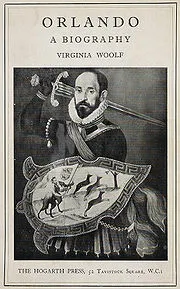
📄Orlando, Virginia Woolf's 1928 novel, is a fantastical biography inspired by her close friend Vita Sackville-West. The story follows its protagonist across nearly four centuries, beginning in Elizabethan England as a young nobleman. After a passionate affair with the Russian princess Sasha, Orlando serves as ambassador in Constantinople, where he mysteriously awakens transformed into a woman. Living now as a female, Orlando navigates shifting eras and social conventions while pursuing her lifelong dream of writing. The novel culminates in 1928 when Orlando publishes her poem "The Oak Tree" and finds love with Shelmerdine. A playful, pioneering exploration of gender fluidity, identity, and time, Orlando remains a landmark of modernist literature.
📄Becoming is a poignant coming-of-age story following Maya Chen, a first-generation immigrant navigating the space between two worlds. Torn between her family's traditional expectations and her dream of becoming a writer, Maya struggles to define who she truly is. When an unexpected loss shatters her carefully constructed life, she embarks on a transformative journey across continents, confronting buried family secrets and long-suppressed desires. Through heartbreak, love, and self-discovery, Maya learns that identity is not a destination but a continuous unfolding. This novel is a moving meditation on courage, belonging, and the beautiful, painful process of becoming oneself.
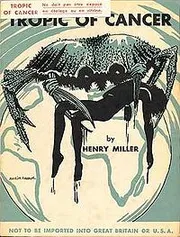
📄Tropic of Cancer (1934) is Henry Miller's semi-autobiographical novel chronicling his bohemian life in Paris during the early 1930s. Blending memoir, fiction, and philosophical reverie, it follows the penniless narrator through poverty, hunger, and uninhibited sexual adventures among expatriates, hustlers, and artists in the City of Light. Written in raw, sprawling, lyrical prose, the book rejects conventional morality and traditional narrative structure, celebrating freedom, hedonism, and creative rebellion. Its explicit content led to obscenity trials and a ban in the United States for nearly three decades. Following its 1961 publication, it became a landmark of twentieth-century literature, profoundly influencing generations of writers.
📄The Mill on the Floss, written by George Eliot and published in 1860, tells the story of Maggie and Tom Tulliver, siblings growing up at Dorlcote Mill on the River Floss in rural England. Maggie, intelligent and passionate, struggles against the narrow expectations imposed on women in Victorian society, while her practical brother Tom frequently misunderstands her. After their father loses the family mill in a bitter lawsuit, the siblings face hardship and diverging paths. The novel explores themes of family loyalty, unfulfilled longing, social class, and moral growth. It ends tragically when a flood sweeps the Floss, drowning the reconciled brother and sister together.
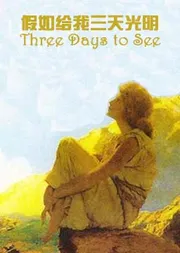
📄"Three Days to See" is a celebrated essay by Helen Keller, a deaf-blind writer who lost her sight and hearing at nineteen months old. In this profound piece, Keller imagines what she would do if granted three days of sight. On the first day, she would look upon the faces of loved ones, especially her devoted teacher Anne Sullivan. The second day would be devoted to art, museums, and the achievements of human civilization. On the third day, she would immerse herself in everyday life in New York City. Through this moving thought experiment, Keller urges readers to cherish their senses and appreciate the ordinary wonders of daily life that sighted people so often take for granted.
📄The Glass Castle by Jeannette Walls is a gripping memoir recounting her unconventional childhood. Raised by Rex, a brilliant yet alcoholic father who dreamed of building the family a magnificent glass castle, and Rose Mary, a free-spirited artist who shunned responsibility, Jeannette and her siblings endured poverty, hunger, and constant relocation. Despite neglect and chaos, the children developed remarkable resilience, eventually escaping to New York to forge independent lives. The memoir explores themes of family loyalty, forgiveness, and complicated love. With striking honesty and humor, Walls captures both the pain and profound affection that defined her extraordinary, deeply flawed family.
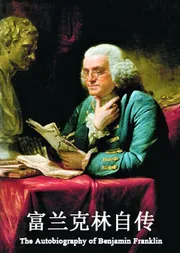
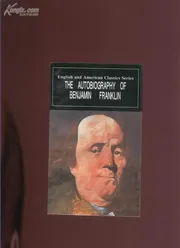
📄The Autobiography of Benjamin Franklin is a classic memoir chronicling the remarkable journey of one of America's founding fathers, from a poor candle-maker's son in Boston to a renowned printer, scientist, inventor, and statesman. Written in four parts between 1771 and 1790, the book vividly recounts Franklin's apprenticeship, his rise as a successful businessman in Philadelphia, and his civic contributions, including founding libraries and the university that became Penn. Celebrated for its wit, candor, and practical wisdom, the work introduces his famous pursuit of moral perfection through thirteen virtues. More than a personal history, it embodies the American spirit of self-improvement and remains unfinished, offering timeless insight into the American Dream.
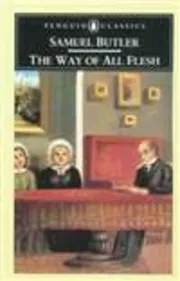
📄The Way of All Flesh, Samuel Butler's semi-autobiographical novel published posthumously in 1903, chronicles several generations of the Pontifex family. Narrated by Ernest Pontifex's godfather, Mr. Overton, the story follows Ernest's oppressive upbringing under his tyrannical, hypocritically devout father, Theobald. Ernest's rebellion against Victorian conventions leads to naive mistakes, disgrace, and imprisonment, before he ultimately achieves genuine self-discovery and freedom. A scathing satire of Victorian family life, religious hypocrisy, and rigid moral codes, the novel questions hereditary influence and social conditioning. Written over a decade and suppressed during Butler's lifetime, it is now regarded as a landmark anti-Victorian masterpiece.
📄The Life of Charlotte Brontë, written by Elizabeth Gaskell and published in 1857, is a landmark biography of the celebrated author of Jane Eyre. Commissioned by Charlotte's father, Patrick Brontë, the book traces her journey from a harsh childhood at Cowan Bridge school, through her years as a teacher and governess in Belgium, to her literary triumphs and tragic early death in 1855. Drawing on extensive letters and personal friendship, Gaskell creates an intimate, moving portrait of a brilliant, reserved woman whose genius flourished amid hardship and family loss. Despite some controversies over accuracy, it remains a classic of Victorian biography and a treasured literary document.
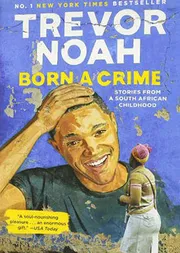
📄"Born a Crime" is Trevor Noah's compelling memoir about growing up in apartheid South Africa. Born to a Black Xhosa mother and a white Swiss father, his very existence was illegal, as interracial relationships were criminalized. Noah chronicles his experiences navigating a society divided by race, poverty, and language, recounting humorous yet heartbreaking stories of his childhood and rebellious spirit. At the heart of the book is his deep bond with his fiercely devoted mother, Patricia. Through vivid storytelling, the memoir explores themes of identity, resilience, and survival, ultimately celebrating a mother's unconditional love and the power of wit to overcome adversity.
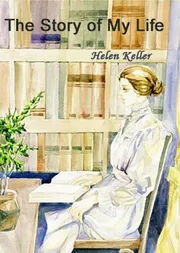
📄"The Story of My Life" is the inspiring autobiography of Helen Keller, published in 1903. Born in 1880, Keller lost her sight and hearing at nineteen months old due to illness. The book chronicles her early years of frustration and isolation until the arrival of Anne Sullivan, her devoted teacher, when Helen was nearly seven. Through Sullivan's patient guidance, Keller learned to communicate by spelling words into her hand—a breakthrough that opened the world to her. She went on to read, write, and even speak, eventually graduating from Radcliffe College. This timeless memoir celebrates perseverance, education, and the triumph of the human spirit.
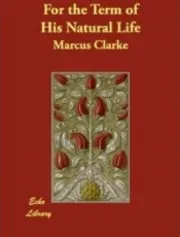
📄For the Term of His Natural Life is an Australian novel by Marcus Clarke, first published in 1874. Set in the 1830s, it follows Rufus Dawes, a young man falsely convicted of murder and transported to Tasmania's brutal penal colonies. Enduring cruelty, starvation, and injustice at settlements like Macquarie Harbour and Norfolk Island, Dawes clings to hope and his love for Sylvia, the commandant's daughter. The novel unflinchingly depicts the barbarity of the convict system, exposing colonial corruption and human suffering. Widely regarded as a masterpiece of Australian literature, it remains a powerful indictment of institutional cruelty and injustice.
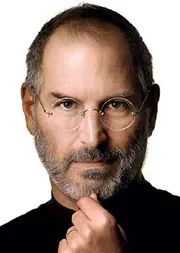
📄"Steve Jobs: A Biography" by Walter Isaacson is the definitive account of Apple's visionary co-founder. Based on more than forty interviews conducted with Jobs over two years, along with conversations with family members, friends, colleagues, and competitors, this biography offers an honest portrait of a complex genius. Isaacson chronicles Jobs's journey from adopted child to college dropout, from garage entrepreneur to technology revolutionary. The book explores his relentless pursuit of perfection, his notorious intensity, and his transformative impact on multiple industries, including personal computers, animated films, music, phones, and digital publishing. It captures both his brilliance and his flaws, revealing the passionate man behind the iconic black turtleneck.
📄In Pretoria, 1971, a boy was born who would one day reach for the stars. Elon Musk devoured encyclopedias by lamplight, escaping a troubled childhood into worlds of science fiction and boundless possibility. At seventeen, he left South Africa with little more than dreams. America beckoned—first Canada, then Pennsylvania, then Silicon Valley. He built Zip2, then PayPal, pouring every dollar into ever-grander gambles: SpaceX, Tesla, SolarCity. Rockets exploded; critics scoffed; companies nearly died. Yet he persevered. Today, his electric cars glide across continents while his rockets touch the heavens—living proof that "impossible" is merely a word.
📄The Journal of John Woolman, published posthumously in 1774, is the spiritual autobiography of a devout American Quaker. Spanning his life from 1720 to 1772, the journal chronicles Woolman's journey as a tailor, itinerant preacher, and passionate abolitionist. With gentle persistence and unwavering moral conviction, he traveled among Quaker communities, urging fellow believers to free their slaves and renounce all profits from the slave trade. Written in simple, sincere prose, the journal reflects his deep humility, compassion, and belief in the equal worth of all people before God. A landmark of American spiritual literature, it remains a timeless testament to conscience, integrity, and social justice.
📄The Autobiography of Benjamin Franklin is one of the most celebrated memoirs in American literature. Written between 1771 and 1790, this unfinished classic chronicles Franklin's remarkable journey from a poor candle-maker's son in Boston to one of history's most influential statesmen. With wit and candor, Franklin recounts his early struggles, his rise as a printer and publisher, his groundbreaking scientific experiments, and his civic endeavors, including founding libraries, hospitals, and the University of Pennsylvania. Central to the work is his famous project of achieving moral perfection through thirteen virtues. A timeless testament to self-improvement and the American spirit, it remains the essential portrait of the self-made American.
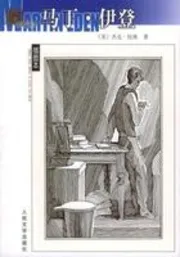
📄Martin Eden, a novel by Jack London published in 1909, follows a young working-class sailor who strives to transform himself into a celebrated writer. Inspired by his love for Ruth Morse, a refined woman from a wealthy family, Martin pursues relentless self-education, enduring poverty, hunger, and repeated rejection while perfecting his craft. When fame and wealth finally arrive, he discovers that the same people who once despised him now flatter him, including Ruth, who offers love only after his success. Disillusioned by society's superficiality and unable to find meaning in his achievement, Martin sinks into profound loneliness and ultimately drowns himself in the sea.
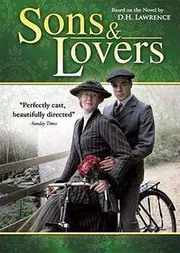
📄Sons and Lovers (1913) by D.H. Lawrence is a semi-autobiographical novel set in a Nottinghamshire coal-mining community. It follows Paul Morel, a sensitive young artist torn between his deep attachment to his strong-willed mother, Gertrude, and his romantic relationships with Miriam Leivers and Clara Dawes. Trapped in an unhappy marriage with miner Walter Morel, Gertrude channels her frustrated ambitions into her sons, forging a possessive bond that prevents Paul from finding emotional fulfillment with other women. A pioneering psychological novel, it explores class, family, sexuality, and the suffocating power of maternal love, anticipating Freudian theories of the mother-son relationship.