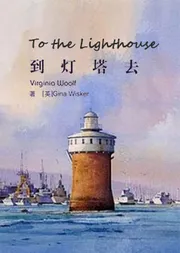
To the Lighthouse (1927), Virginia Woolf's masterpiece, centers on the Ramsay family's visits to their summer home on the Isle of Skye before and after World War I. Divided into three sections—"The Window," "Time Passes," and "The Lighthouse"—the novel follows an anticipated boat trip that is delayed for years by war, death, and the passage of time. Through innovative stream-of-consciousness narration, Woolf explores memory, loss, gender roles, and the tension between art and life, embodied in painter Lily Briscoe's struggle to complete her vision. A landmark of modernist literature, it transforms ordinary moments into profound meditations on time and human connection.