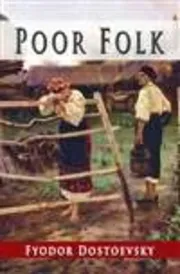
Poor Folk (1846), Fyodor Dostoevsky's debut novel, is an epistolary work told through letters exchanged between Makar Devushkin, a struggling middle-aged government clerk, and Varvara Dobroselova, a poor young seamstress and his distant relative. Living in the slums of St. Petersburg, the two protagonists find solace in their correspondence, sharing daily hardships, humiliations, and small comforts. Makar's devotion to Varvara deepens as his own poverty worsens, leading to a heartbreaking conclusion. A poignant exploration of poverty, human dignity, and unrequited love, the novel pioneered Russian "humane realism" and earned Dostoevsky instant acclaim as a rising literary talent.