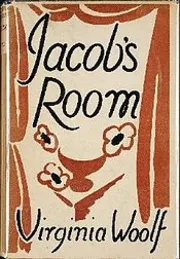
Jacob's Room (1922), Virginia Woolf's third novel, traces the life of Jacob Flanders from his boyhood on the English coast through his years at Cambridge to his adulthood in London. Rather than entering Jacob's mind directly, Woolf constructs his character through fragmented impressions of those around him—friends, lovers, and strangers—revealing how elusive another person's inner life truly is. Set against pre-war England, the novel's elegiac tone culminates in World War I, when Jacob's empty room becomes a haunting symbol of a generation lost. A landmark of literary modernism, it pioneered Woolf's experimental stream-of-consciousness narrative style.