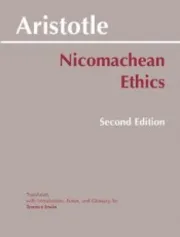
Nicomachean Ethics, composed by the ancient Greek philosopher Aristotle around 340 BCE, stands as one of the most influential works in Western moral philosophy. Named after his son Nicomachus, this treatise explores the fundamental question of how humans can achieve eudaimonia—a life of flourishing and genuine happiness. Aristotle argues that virtue is cultivated through habit and resides in the golden mean between excess and deficiency. Divided into ten books, the work examines courage, temperance, justice, friendship, and contemplation, presenting ethics as a practical science rather than abstract theory. Its enduring insights continue to shape modern discussions on character, morality, and the good life.