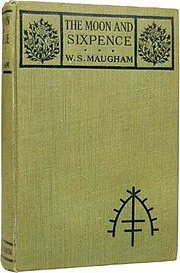
The Moon and Sixpence (1919) by W. Somerset Maugham is loosely inspired by the life of painter Paul Gauguin. The novel follows Charles Strickland, a middle-aged London stockbroker who abruptly abandons his wife, children, and respectable career to pursue his passion for painting in Paris. Living in poverty and scorning social conventions, Strickland displays a ruthless, obsessive dedication to art. He eventually journeys to Tahiti, where he creates his masterpieces before dying of leprosy. Through his story, Maugham explores the tension between artistic genius and moral responsibility, and the eternal conflict between chasing ideals—the moon—and settling for mundane reality—the sixpence.