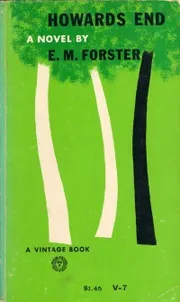
Howards End (1910), E.M. Forster's masterpiece, explores class conflict and human connection in Edwardian England through three families: the cultured, idealistic Schlegel sisters; the pragmatic, wealthy Wilcoxes; and the impoverished Basts. When Ruth Wilcox bequeaths her beloved country house, Howards End, to Margaret Schlegel, the Wilcoxes conceal the will. Margaret's marriage to Henry Wilcox and her sister Helen's compassionate involvement with Leonard Bast lead to tragedy. The novel's famous motto, "Only connect," champions sympathy and understanding across social divides. Ultimately, Margaret inherits Howards End, symbolizing hope for reconciliation between imagination and practicality in a rapidly changing England.