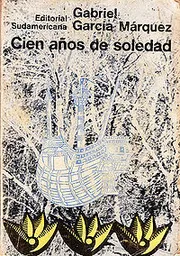
One Hundred Years of Solitude (1967) by Colombian author Gabriel García Márquez chronicles seven generations of the Buendía family in the mythical town of Macondo. Founded by patriarch José Arcadio Buendía, the town witnesses his descendants' repeated names, passions, wars, and tragedies across a century. The novel mirrors Latin America's history—colonization, civil wars, and foreign exploitation—through the family's rise and fall. A masterpiece of magical realism, it blends the fantastical with the ordinary: flying carpets, ascensions to heaven, and rains of yellow flowers. A profound meditation on solitude, time, and fate, it earned García Márquez the 1982 Nobel Prize in Literature.