classic books
📄"Tom Sawyer, Detective" is a mystery novel by Mark Twain, published in 1896, narrated in Huck Finn's voice. In this adventure, Tom and Huck travel to Arkansas to visit Tom's Aunt Sally and Uncle Silas, only to discover their uncle in serious trouble—accused of theft and murder. When twin brothers arrive with a hidden cache of diamonds, a killing follows, and Uncle Silas becomes the prime suspect. Drawing on the popular detective fiction of his era, Tom applies clever deduction and dramatic courtroom tactics to unravel the mystery, expose the real villains, recover the stolen jewels, and save his uncle from disgrace.
📄The Marble Faun (1860), Nathaniel Hawthorne's final completed novel, is set in Rome and follows three young American artists—Hilda, Kenyon, and the mysterious Miriam—along with Donatello, an Italian count bearing an uncanny resemblance to Praxiteles' marble faun. When Donatello murders Miriam's shadowy persecutor by hurling him from the Tarpeian Rock, the act shatters his Edenic innocence. The novel traces how sin, guilt, and suffering paradoxically deepen the characters' moral and spiritual consciousness. Blending Gothic mystery, art criticism, and allegory, Hawthorne meditates on the fall of man, the transformation wrought by transgression, and the possibility of redemption through experience.
📄Published in 1915, E. Phillips Oppenheim's The Double Traitor is a gripping espionage thriller set on the eve of the First World War. Francis Norgate, a promising young English diplomat, is cashiered from Berlin after an affair of honor and returns to England, where he stumbles upon a vast German conspiracy—a secret network of spies laying the groundwork for war. Working with British intelligence, Norgate races to expose the plot while navigating shifting loyalties, political intrigue, and a dangerous romance. As the line between patriot and traitor blurs, the novel builds toward a suspenseful climax revealing betrayal on both sides.
📄The Vicomte de Bragelonne, the final installment of Alexandre Dumas's d'Artagnan Romances, follows the aging musketeers during the early reign of Louis XIV. The story centers on Raoul, Vicomte de Bragelonne and Athos's son, whose love for Louise de la Vallière is shattered when she becomes the king's mistress. Meanwhile, Aramis uncovers the secret of the Man in the Iron Mask—Philippe, the king's twin brother—and plots to replace Louis on the throne. As the conspiracy collapses, Porthos dies heroically, Athos passes away in grief, and d'Artagnan falls at the siege of Maastricht, ending the musketeers' era in tragedy.
📄A Rogue's Life by Wilkie Collins is a lighthearted Victorian tale narrated by Frank Softly, an endearing scoundrel. Born to respectable parents, Frank drifts through a series of failed careers—doctor's apprentice, miniature painter, and ultimately forger—across England and Australia. His fortunes change when he falls in love with Alicia Dulcifer, daughter of a convicted forger imprisoned for his crimes. To win her hand, Frank becomes entangled in counterfeiting schemes, prison escapes, and unexpected twists of fate. Blending humor, romance, and adventure, this episodic picaresque follows a charming antihero whose wicked ways eventually lead to love, fortune, and reformed respectability.
📄In a cramped Brooklyn bookshop, Roger Mifflin insists his store is "haunted"—not by spirits, but by the ghosts of immortal authors who dwell among the shelves. When Aubrey Gilbert, a young advertising man, calls on Mr. Mifflin, he becomes entangled in a peculiar mystery: a rare volume that mysteriously vanishes, a beautiful apprentice named Titania Chapman, and a sinister stranger lurking after dark. What begins as literary whimsy soon turns into a thrilling tale of espionage and romance, proving that books possess a dangerous, living power. A love letter to the printed word, The Haunted Bookshop blends cozy charm, wit, and gentle suspense.
📄"The Bishop and Other Stories" is a celebrated collection of short fiction by Russian master Anton Chekhov, translated by Constance Garnett. The title story portrays the final days of a dying bishop, exploring themes of mortality, loneliness, and spiritual longing with remarkable subtlety. Other tales, including "The Steppe," "Easter Eve," "The Murder," and "The Letter," showcase Chekhov's signature realism and deep compassion for ordinary lives. Set against the vast Russian landscape, these stories illuminate the quiet struggles of peasants, clergy, and wanderers. Through understated prose and profound psychological insight, Chekhov transforms everyday moments into timeless meditations on the human condition.
📄Told After Supper (1891) is a humorous Christmas ghost story collection by Jerome K. Jerome, the celebrated author of Three Men in a Boat. Set on Christmas Eve in an old English country house, the narrative unfolds as family members and guests gather after dinner to share ghostly tales. Jerome affectionately parodies the Victorian ghost story tradition, as each narrator's account grows increasingly improbable, punctuated by interruptions, mysterious spectral appearances, and the skeptically absurd commentary of the elderly uncle. Blending wit, warmth, and gentle satire, this charming work captures the festive spirit of fireside storytelling while playfully mocking supernatural fiction's conventions.
📄In the shadowed corridors of Renaissance Rome, the Borgia family ascends to unparalleled power through cunning, corruption, and blood. When Rodrigo Borgia bribes his way to the papal throne as Alexander VI, he sets in motion a dynasty built on ambition and poison. His son Cesare, a ruthless strategist, carves out a kingdom with sword and treachery, while his daughter Lucrezia becomes both pawn and player in deadly political games. Amid papal scandals, whispered poisons, and forbidden passions, enemies gather at every turn. This sweeping tale chronicles a family's meteoric rise—and the betrayals that herald their spectacular fall.
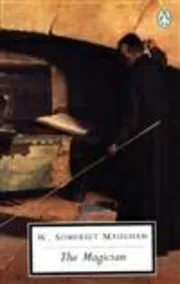
📄In the shadowed alleys of nineteenth-century London, Elias Thorn captivates audiences with illusions that defy explanation. But when a young woman vanishes during his most famous trick—never to reappear—Elias becomes the prime suspect in her disappearance. Haunted by guilt and pursued by a relentless detective, he must confront the fragile line between deception and reality. As dark secrets from his past emerge, Elias discovers his magic may be more than mere sleight of hand. "The Magician" is a spellbinding tale of obsession, redemption, and the dangerous power of believing in the impossible.
📄In the Bishop's Carriage (1900) by Miriam Michelson tells the story of Nance Olden, a spirited young orphan who turns to theft to survive. Clever and quick-witted, Nance embarks on daring escapades in the criminal underworld, including a memorable getaway in a bishop's carriage after stealing jewels. Despite her criminal life, she possesses a generous heart and yearns for love and redemption. Torn between her devotion to Tom Dorgan, a charming criminal, and her own conscience, Nance ultimately faces a choice between a life of crime and an honest future. This humorous, heartwarming tale celebrates resilience, love, and moral awakening.
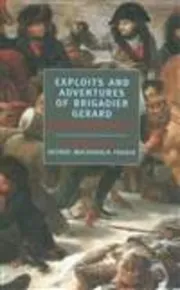
📄"The Exploits of Brigadier Gerard" is a collection of comic adventure stories by Sir Arthur Conan Doyle, first published in 1896. It follows Brigadier Etienne Gerard, a dashing officer in Napoleon's hussars, who recounts his thrilling adventures during the Napoleonic Wars with great vanity and self-satisfaction. Brave, chivalrous, and endlessly boastful, Gerard considers himself the finest swordsman and most gallant lover in the Grand Army, unaware of how comically his flaws shine through his narration. Blending humor, action, and historical detail, Doyle creates a beloved character whose misadventures across Europe—featuring missions, duels, and daring escapes—delight readers while gently satirizing heroism.
📄A Dream of John Ball is a historical novel by William Morris, first serialized in 1886–1887. The story follows a Victorian narrator who mysteriously awakens in fourteenth-century Kent during the Peasants' Revolt of 1381. There, he encounters John Ball, a radical priest fighting alongside Wat Tyler against feudal oppression. Through Ball's passionate sermons questioning social inequality, the novel explores themes of class struggle, justice, and human solidarity. Though the rebellion ultimately fails and Ball faces execution, the narrator finds hope in the enduring spirit of resistance. Morris blends historical romance with socialist ideals, imagining a timeless struggle toward a fairer, more egalitarian world.
📄"The Witch and Other Stories" is a celebrated collection of short fiction by Russian master Anton Chekhov, translated by Constance Garnett. The title story unfolds on a snowbound night, when jealousy over a beautiful young wife stirs dark passions at a lonely railway post. Across these stories, Chekhov introduces teachers, peasants, merchants, and dreamers—ordinary people grappling with loneliness, desire, and quiet desperation. With remarkable economy, subtle irony, and deep compassion, he illuminates everyday Russian life and reveals profound truths beneath mundane surfaces. This timeless anthology showcases why Chekhov remains an undisputed master of the short story form.
📄Botchan, written by Natsume Sōseki in 1906, is one of the most beloved classics of Japanese literature. The novel follows an impetuous, honest young man from Tokyo who takes a job as a mathematics teacher in a provincial town in rural Japan. Naive and headstrong, he quickly clashes with his mischievous students and hypocritical colleagues, whom he mocks with nicknames. Guided by a strong sense of justice, he confronts corruption and deceit despite repeated setbacks. Rich with humor and satire, Botchan offers a witty critique of Meiji-era society while celebrating the endearing, flawed humanity of its unforgettable protagonist.
📄On the rugged coast of Scotland, where fishing boats battle the gray Atlantic, young Jim Warrender lives an ordinary life—until whispers of Napoleon's ambitions drift across the Channel like smoke. As the great shadow of war stretches over Europe, the quiet villagers of West Inkermann find their world transformed. Loyal friendships, first loves, and rumors of a French invasion weave through their days. When conflict finally touches their shores, Jim must confront what courage truly means. A sweeping tale of innocence, brotherhood, and the enduring human spirit beneath the gathering storm of history.
📄"The House Behind the Cedars" (1900) by Charles W. Chesnutt is a landmark novel exploring race and identity in post-Civil War America. It follows Rena Walden, a beautiful young woman of mixed ancestry who, encouraged by her brother John—a successful lawyer who has passed as white—crosses the color line into white society. Rena becomes engaged to George Tryon, a wealthy white aristocrat, but their romance collapses when he discovers her heritage. Heartbroken, Rena retreats to teach Black children, and the tragic ending powerfully underscores Chesnutt's critique of racial prejudice and the arbitrary nature of America's color line.
📄The Comedy of Errors is one of Shakespeare's earliest comedies, a rollicking farce inspired by the Roman playwright Plautus. The story follows two sets of identical twins—Antipholus of Syracuse and Antipholus of Ephesus, along with their servants, both named Dromio—who were separated during a shipwreck. When the Syracusans unknowingly arrive in Ephesus, their brothers' hometown, a whirlwind of mistaken identities ensues: wrongful arrests, unpaid debts, accusations of madness and infidelity, and an exasperated wife. Chaos reigns until the truth is finally revealed, ending in a joyful reunion that celebrates family, forgiveness, and the delightful absurdity of human confusion.
📄"Dracula's Guest," a short story by Bram Stoker, follows an unnamed Englishman (implied to be Jonathan Harker) traveling toward Castle Dracula on Walpurgis Night. Ignoring his coachman's warnings, he wanders into a desolate, snow-swept landscape and explores an abandoned village. There he discovers the tomb of Countess Dolingen, a woman who died by suicide, and encounters terrifying supernatural forces. Caught in a violent storm, he is menaced by an apparition but mysteriously protected by a wolf. Rescued unconscious by Austrian soldiers, he awakens to realize that Dracula, his unseen host, had been watching and guiding his every move throughout the night.
📄The Little Lady of the Big House (1916) is one of Jack London's final novels. Set on a vast California ranch, it portrays Dick Forrest, a brilliant and wealthy rancher, and his beautiful, spirited wife Paula, the "little lady" of the title. Their seemingly perfect marriage is tested when Evan Graham, Dick's closest friend, falls in love with Paula, and she finds herself torn between loyalty to her husband and growing passion for another man. Exploring themes of love, jealousy, and the complexities of marriage, the story builds toward tragedy as Paula, unable to resolve her inner conflict, shoots herself. The novel is often viewed as a reflection of London's own troubled marriage.