classic books
📄Monsieur Beaucaire is a romantic novel by American author Booth Tarkington, published in 1900. Set in 18th-century Bath, England, the story follows Philippe, Duke of Orléans, who travels incognito as a French barber named Monsieur Beaucaire. After being accused of cheating at cards, he faces social disgrace yet maintains his dignity and honor. He becomes entangled in a romantic intrigue involving Lady Mary Carlisle, a proud English beauty, and challenges Lord Winterset to a duel. Blending comedy, adventure, and romance, the novel explores themes of honor, identity, and social class, and was later adapted into successful plays and films.
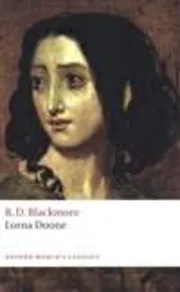
📄"Lorna Doone: A Romance of Exmoor" (1869) by R.D. Blackmore is a classic romance set in seventeenth-century Exmoor, England. Young farmer John Ridd seeks revenge against the outlawed Doone clan, responsible for his father's death, but falls in love with the beautiful Lorna Doone. As their forbidden love blossoms, Lorna's true identity as a noblewoman is revealed, complicating their romance amid political turmoil, including the Monmouth Rebellion. John must battle the villainous Carver Doone and overcome social barriers to win his beloved. Combining adventure, tragedy, and enduring love, the novel remains a beloved masterpiece of English literature.
📄"Dawn O'Hara: The Girl Who Laughed" (1911), Edna Ferber's debut novel, follows witty newspaper columnist Dawn O'Hara in Chicago. Beneath her laughter lies heartbreak—she once loved Peter Orme, a charming man bound by a tragic marriage. Suffering from overwork and disappointment, Dawn collapses and retreats to her sister's home in Wisconsin to recover, tenderly cared for by the kind German physician Dr. Ernst von Gerhard. Restored to health, she returns to journalism, using humor to conceal her sorrows. Blending romance, pathos, and satire, the novel portrays a modern woman's struggle for love, career, and independence in early twentieth-century America.
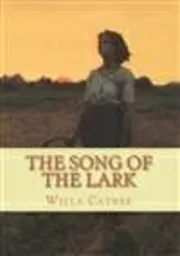
📄"The Song of the Lark" (1915) by Willa Cather chronicles the artistic awakening of Thea Kronborg, a gifted young woman from the small town of Moonstone, Colorado. Determined to pursue music, Thea leaves home to study in Chicago, where she discovers her extraordinary vocal talent. A transformative journey to the American Southwest, amid ancient cliff dwellings, helps her find her authentic artistic voice. Through years of sacrifice and perseverance, she rises to become a celebrated opera singer at the Metropolitan Opera. Part of Cather's Prairie Trilogy, the novel explores themes of ambition, self-discovery, and the price of artistic greatness.
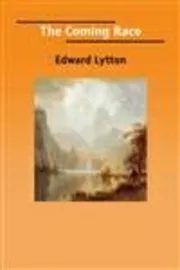
📄The Coming Race, an 1871 novel by Edward Bulwer-Lytton, follows an unnamed American narrator who, while exploring a mine, descends into a vast chasm and discovers an underground world inhabited by the Vril-ya—an advanced civilization possessing extraordinary powers through "Vril," a mysterious all-permeating energy. Far superior to surface humanity in intellect, technology, and morality, these winged beings live in a utopian society. The narrator falls in love with Zee, a Vril-ya woman, but their union is deemed unnatural. Escaping back to the surface, he issues an ominous warning: the Vril-ya may one day emerge and destroy mankind's dominion.
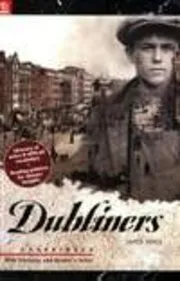
📄Dubliners, published in 1914 by Irish writer James Joyce, is a collection of fifteen short stories portraying the lives of ordinary people in Dublin at the turn of the twentieth century. Arranged to trace human development from childhood through adolescence, maturity, and public life, the stories reveal the moral, social, and spiritual paralysis that Joyce believed afflicted Irish society. Through plain yet precise naturalistic prose, characters experience moments of epiphany—sudden revelations of their own stagnation and unfulfilled aspirations. Works such as "Araby," "Eveline," and "The Dead" exemplify Joyce's early modernist style, making Dubliners a landmark of twentieth-century literature.
📄The Blithedale Romance (1852), by Nathaniel Hawthorne, is a novel inspired by the author's experiences at the Brook Farm utopian community. Narrated by the poet Miles Coverdale, it follows a group of reformers attempting to build an ideal society at Blithedale. Their dreams collide with reality through a tangled drama involving the obsessive philanthropist Hollingsworth, the charismatic feminist Zenobia, and the mysterious, fragile Priscilla. As romantic rivalries and hidden secrets unravel, Coverdale becomes a conflicted observer of the group's moral and emotional collapse. Exploring utopian idealism, female identity, and human self-deception, the novel ends in tragedy, exposing the impossibility of perfecting human nature.
📄The Evolution of Modern Medicine is a sweeping historical novel that follows three generations of physicians bound by blood, ambition, and an unyielding quest to heal. From the plague-ridden streets of nineteenth-century Europe to the high-tech laboratories of the twenty-first century, Dr. Elena Vasquez traces her family's battles against disease, superstition, and doubt. Through devastating pandemics, groundbreaking discoveries, and profound personal sacrifices, the novel captures medicine's remarkable transformation from folklore to rigorous science. As Elena confronts a mysterious new pathogen threatening humanity, she uncovers her grandfather's hidden research—a revelation that could reshape the future. A moving testament to human resilience, curiosity, and the enduring power of hope.
📄The Chronicles of Clovis, published in 1911 by Saki (H.H. Munro), is a celebrated collection of satirical short stories. The book features Clovis Sangrail, an irreverent young aristocrat whose wicked wit and mischievous pranks expose the hypocrisy and absurdity of Edwardian high society. Among the memorable tales are "Tobermory," in which a talking cat scandalizes a dinner party, and "Sredni Vashtar," the dark story of a sickly boy whose ferret-god liberates him from an oppressive guardian. Combining dark humor, sharp irony, and macabre, unexpected endings, Saki's stories remain timeless masterpieces of English satire, delighting readers with their elegance and subversive bite.
📄Derrick Vaughan, Novelist (1879), Edna Lyall's debut novel, chronicles the journey of its titular character from an impoverished aspiring writer to a successful author. Partly autobiographical, the story follows Derrick through years of struggle, rejection, and self-doubt as he pursues a literary career in Victorian England. Supported by loyal friends and unwavering determination, he ultimately achieves recognition while grappling with questions about the moral purpose of fiction and an artist's responsibility to society. The novel celebrates authorship as a noble calling rather than mere trade, offering an inspiring portrait of perseverance, faith, and friendship in the face of adversity.
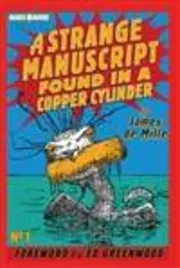
📄A Strange Manuscript Found in a Copper Cylinder (1888), by James De Mille, is a classic lost-world adventure and satirical utopia. The frame narrative opens with yachters who discover a manuscript sealed in a copper cylinder drifting at sea. The manuscript recounts the tale of Adam More, a British sailor shipwrecked near Antarctica, who stumbles upon a tropical volcanic realm at the South Pole. There he encounters the Kosekin, a strange civilization that worships death, darkness, and poverty while despising wealth and life—an inversion of Victorian values. More and his beloved Almah endure captivity, sacrifice rituals, and desperate escapes in this imaginative critique of greed.
📄In O. Henry's debut work of fiction, the fictional Central American republic of Anchuria comes alive through a series of interconnected tales set in the steamy port town of Coralio. Weaving together revolution, romance, and sharp humor, the novel follows a colorful cast—deposed presidents, American drifters, conspirators, gamblers, and lovers—whose fates entangle amid political intrigue and banana republic instability. Blending satire with pathos, O. Henry paints a vivid portrait of expatriate life and Latin American politics. The title, drawn from Lewis Carroll, hints at the novel's whimsical yet penetrating gaze on ambition, folly, and human nature.
📄The Merry Wives of Windsor is a comedy by William Shakespeare, believed to have been written around 1597. The play follows Sir John Falstaff, who, short of money, decides to seduce two married women, Mistress Ford and Mistress Page, hoping to gain access to their husbands' fortunes. Discovering he has sent identical love letters to both, the clever wives join forces to humiliate him through a series of elaborate pranks, culminating in his disguise as Herne the Hunter. Meanwhile, Anne Page secretly marries her true love, Fenton, outwitting her parents' preferred suitors. It remains Shakespeare's only comedy centered on English middle-class domestic life.
📄Weir of Hermiston is an unfinished novel by Robert Louis Stevenson, published posthumously in 1896. Set in Scotland, it follows Archibald Weir, son of Adam Weir, Lord Hermiston—a notoriously harsh judge known as "the hanging judge." The story centers on the bitter conflict between the iron-willed father and his sensitive, rebellious son, who is exiled to the family's rural estate after openly defying him in court. There, Archibald falls in love with Christina "Kirstie" Elliot, a spirited country girl. Blending vivid Scottish dialect, rich characterization, and psychological depth, the fragment is considered potentially Stevenson's finest work, though it breaks off at his death in 1894.
📄In the sun-scorched plains of the American Southwest, Elena Vasquez inherits her grandmother's failing ranch and a box of unsent letters revealing a buried family secret. As drought threatens the land, she uncovers her grandmother's forbidden love affair with a railroad magnate during the Dust Bowl era—a passion abandoned when dreams clashed with survival. Weaving between past and present, Dreams and Dust is a sweeping tale of inheritance, resilience, and the choices that echo across generations. When a stranger arrives claiming a connection to the past, Elena must decide whether the land's history will destroy her future—or finally set her free.
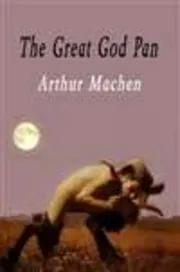
📄Arthur Machen's The Great God Pan (1894) is a landmark of supernatural horror. Dr. Raymond performs a radical brain experiment on a young woman named Mary, opening her mind's eye to glimpse the god Pan. What she sees drives her insane, and she later dies giving birth to a daughter. Years afterward, the mysterious Helen Vaughan spreads strange corruption and death through London society. As investigators trace her origins, they confront an otherworldly horror beyond human comprehension. Blending Victorian decadence with cosmic dread, the novella scandalized contemporary readers and profoundly influenced later horror writers, including H. P. Lovecraft.
📄In the winter of 1917, a battered battalion finds itself trapped behind enemy lines, ordered to hold a crumbling fortress at any cost. Among them is Lieutenant James Corrigan, a cynical veteran who has stopped believing in glory, and Private Thomas Hale, a nineteen-year-old boy who still carries his mother's letters like a talisman. As ammunition dwindles and hope fades, the men face an impossible choice: retreat and survive, or stand and die with honor. "To the Last Man" is a haunting meditation on courage, brotherhood, and the terrible price of duty in humanity's darkest hour.
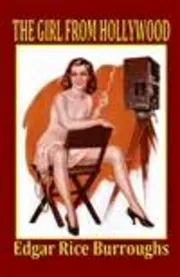
📄The Girl From Hollywood by Edgar Rice Burroughs is a stark exposé of early Hollywood's dark underbelly. Young Eva Miller, a beautiful farm girl, arrives in Los Angeles dreaming of silver-screen stardom. Instead, she falls under the sway of drug dealer Gus Taylor and the addicted actress Shannon Burke, descending into a world of cocaine, exploitation, and moral compromise. Meanwhile, the virtuous Custer family, whose nearby ranch shelters Eva, battles its own temptations and tragedies. A cautionary tale far removed from Burroughs's adventure fiction, the novel condemns the film capital's corruption while affirming redemption through perseverance, integrity, and love.
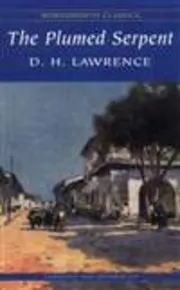
📄In D.H. Lawrence's The Plumed Serpent, Kate Leslie, an Irish widow disillusioned with modern Western civilization, travels to post-revolutionary Mexico seeking spiritual renewal. There she encounters Don Ramón, a charismatic leader determined to revive the ancient Aztec religion of Quetzalcoatl, the Plumed Serpent, alongside General Cipriano Vidal. Swept into their movement to restore indigenous myth and authority, Kate gradually sheds her European identity, marrying Cipriano and embracing a new spiritual order. Blending mysticism, politics, and eroticism, the novel explores Lawrence's fascination with primitivism, ritual, and the search for vitality beyond the sterility of industrialized modernity.
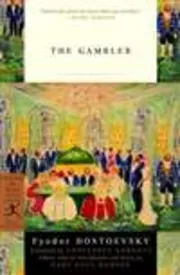
📄Fyodor Dostoevsky's The Gambler (1866) follows Alexei Ivanovich, a young tutor entangled in the affairs of a debt-ridden Russian general's family at a German spa resort. Desperately in love with Polina, the general's proud stepdaughter, Alexei becomes consumed by the roulette wheel, convinced that fortune can win her love and elevate his lowly status. As the household eagerly awaits the inheritance of the ailing, wealthy Grandmother, she astonishingly arrives at the casino herself, succumbing to the same feverish addiction. A piercing study of obsession, greed, and self-destruction, the novella mirrors Dostoevsky's own gambling demons, famously dictated in just twenty-six days.