society books
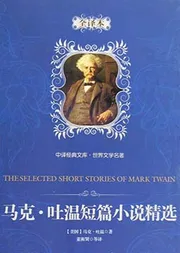
📄Selected Stories by Mark Twain is a captivating anthology showcasing the genius of America's greatest humorist. This collection brings together Twain's finest short fiction, including beloved classics such as "The Celebrated Jumping Frog of Calaveras County," "The £1,000,000 Bank-Note," and "The Man That Corrupted Hadleyburg." Through sharp wit, folksy storytelling, and biting social satire, Twain illuminates human nature with remarkable insight. His tales capture the spirit of nineteenth-century America—from Mississippi river towns to booming Western mining camps—while exploring timeless themes of greed, vanity, and moral hypocrisy. Both entertaining and thought-provoking, these enduring stories remain essential reading for lovers of classic American literature.
📄Walden (1854), written by Henry David Thoreau, is a classic of American literature and Transcendentalist philosophy. The book recounts Thoreau's experiment in simple living, spent in a small cabin he built beside Walden Pond near Concord, Massachusetts, over two years. Blending autobiography, natural history, and philosophical reflection, Thoreau explores themes of self-reliance, solitude, and the spiritual rewards of a life unencumbered by material possessions. He critiques the industrializing society of his time, urging readers to "live deliberately" and seek deeper meaning. Walden remains an enduring meditation on nature, individuality, and the pursuit of authentic freedom.
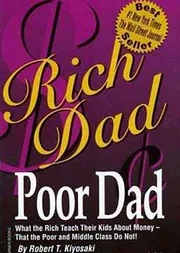
📄Rich Dad Poor Dad by Robert Kiyosaki is a revolutionary personal finance book that challenges traditional beliefs about money and success. Through the contrasting stories of two father figures—his educated but financially struggling biological father (the "poor dad") and his friend's wealthy entrepreneur father (the "rich dad")—Kiyosaki explores fundamentally different approaches to wealth. The book teaches that financial literacy matters more than academic credentials, urging readers to make money work for them rather than working for money. It distinguishes between assets and liabilities, advocates investing and entrepreneurship, and inspires millions worldwide to rethink their path to financial freedom.
📄Between the Lines is a poignant campus novel following Lin Wei, a first-year postgraduate student from rural China who struggles with dense academic English texts. Overwhelmed by impenetrable journal articles and intimidating seminars, she nearly abandons her dreams. Everything changes when she discovers an old reading group in the library basement, led by a retired professor. Through late-night discussions, shared struggles, and the slow decoding of difficult passages, Lin Wei and her fellow students learn that reading English is not merely translation but a bridge between worlds. A tender story about perseverance, friendship, and finding one's voice through words.
📄The Godfather, Mario Puzo's 1969 masterpiece, chronicles the rise of the Corleone crime family in postwar New York. At its heart is Don Vito Corleone, a powerful mafia boss who rules his empire through loyalty, honor, and fear. After an assassination attempt leaves the aging Don fighting for his life, his youngest son Michael—a war hero determined to remain legitimate—is drawn into the family business. As violence erupts among rival families, Michael transforms from reluctant outsider into a ruthless leader who succeeds his father. A sweeping tale of power, betrayal, and the dark side of the American dream, the novel redefined crime fiction.
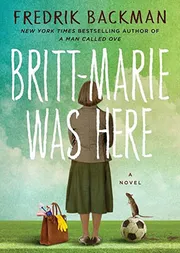
📄Britt-Marie Was Here by Fredrik Backman tells the story of Britt-Marie, an obsessively organized sixty-three-year-old woman whose life revolves around cleanliness and proper etiquette. When she discovers her husband's affair following his heart attack, she leaves him and takes a temporary job at a run-down recreation center in Borg, a struggling small town. There, she unexpectedly becomes the coach of a ragtag youth soccer team despite knowing nothing about the sport. Through the children and the town's quirky residents, Britt-Marie gradually finds courage, friendship, and a newfound sense of self. It is a heartwarming tale about second chances and discovering where one truly belongs.
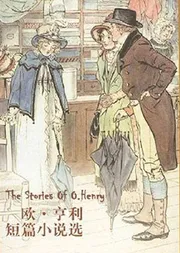
📄The Stories of O. Henry is a celebrated collection showcasing the master of the surprise ending. Written by William Sydney Porter under his famous pen name, these short stories capture early twentieth-century America with warmth, humor, and ironic twists. From the touching sacrifice in "The Gift of the Magi" to the poignant hope in "The Last Leaf," O. Henry portrays ordinary people—shopgirls, drifters, hustlers, and dreamers—with deep empathy and wit. His clever plots, playful language, and unforgettable endings have made these tales timeless classics. Each story delights readers with unexpected revelations about love, sacrifice, and human nature.
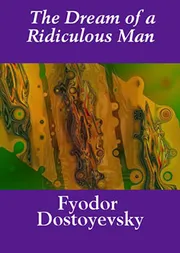
📄"The Dream of a Ridiculous Man" is a short story by Fyodor Dostoevsky, first published in 1877. The narrator, a man tormented by feelings of absurdity and estrangement from society, resolves to end his life. On the night of his planned suicide, he falls into a profound dream in which he is transported to an unspoiled paradise, where humanity lives in innocence and harmony. By introducing lies, vanity, and selfishness, he corrupts this Edenic world, witnessing its descent into war and suffering. Awakening transformed, he renounces suicide and embraces a new mission: to preach universal love and guide humanity toward spiritual redemption.
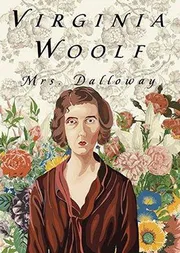
📄Mrs. Dalloway (1925), by Virginia Woolf, is a landmark modernist novel unfolding over a single June day in post-World War I London. It follows Clarissa Dalloway, an upper-class woman preparing to host an evening party, whose thoughts drift between cherished memories of youth and quiet reflections on mortality. Interwoven is the tragic story of Septimus Warren Smith, a war veteran shattered by shell shock, whose fate mirrors Clarissa's inner struggles. Through stream-of-consciousness narration, Woolf dissolves conventional plot to explore time, memory, sanity, and the fragile connections between strangers. The novel endures as a masterpiece of psychological depth and lyrical prose.
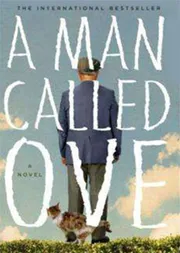
📄"A Man Called Ove" is a heartwarming novel by Swedish author Fredrik Backman. It tells the story of Ove, a grumpy, rule-obsessed 59-year-old man who has little patience for the world around him. After losing his beloved wife Sonja and being forced into early retirement, Ove decides to end his life. However, his plans are repeatedly interrupted by his new neighbors—especially the cheerful, pregnant Parvaneh—along with a stray cat and other unlikely friends. Through humor and touching flashbacks, the novel explores grief, love, and the power of human connection, revealing that life can find new meaning even after devastating loss.
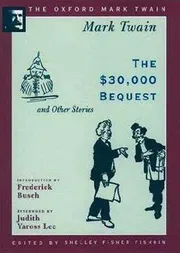
📄"The $30,000 Bequest" is a satirical short story by Mark Twain. Saladin and Electra Foster, a modest couple from Lakeside, learn that a wealthy but miserly relative has left them a $30,000 bequest—provided they neither speak of it nor spend it prematurely. Overwhelmed by anticipation, the couple immerses themselves in elaborate fantasies, mentally investing the money until their imaginary fortune swells to billions, transforming their behavior, status, and social ambitions. When the expected inheritance proves worthless—the relative died penniless—they collapse under the shock. Through sharp humor, Twain exposes human greed, vanity, and the seductive, destructive power of imagined wealth.
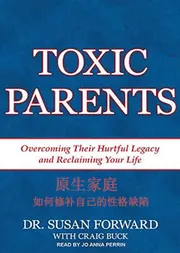
📄In this transformative self-help classic, psychotherapist Susan Forward confronts the painful reality that some parents inflict lasting damage on their children. Through compelling case studies drawn from her clinical practice, Forward exposes the destructive patterns of abusive, alcoholic, manipulative, and emotionally neglectful parents—and reveals how their behavior continues to control their adult children's lives. She guides readers through confronting painful truths, releasing guilt and self-blame, and breaking free from cycles of victimization. Offering practical strategies and emotional tools, this empowering book helps readers heal childhood wounds, redefine family relationships on their own terms, and reclaim their right to a fulfilling, self-directed life.
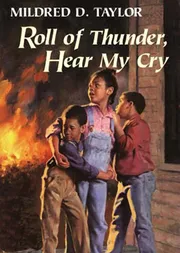
📄Roll of Thunder, Hear My Cry by Mildred D. Taylor is a powerful novel set in Mississippi during the Great Depression. Told through the eyes of nine-year-old Cassie Logan, the story follows an African American family struggling to keep their land and dignity amid racial injustice. As white landowners attempt to drive Black families from their property, the Logans face intimidation, violence, and betrayal. Through Cassie's painful awakening to racism and her family's courage and unity, the novel explores themes of independence, resilience, and the deep connection to land. Winner of the 1977 Newbery Medal, it remains a landmark work illuminating the African American experience in the segregated South.
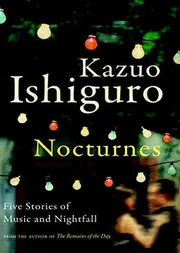
📄Nocturnes: Five Stories of Music and Nightfall by Nobel laureate Kazuo Ishiguro is a haunting collection of five interlinked stories centered on music and the fleeting moments of evening. Set in Venice, London, and the Malvern Hills, the tales follow musicians at crossroads—failing, dreaming, or confronting lost chances. A crooner performs for his estranged wife, a saxophonist hides behind surgical bandages, and a young cellist falls under a seductive illusion. Blending wry humor with quiet melancholy, Ishiguro explores love, regret, and the gap between talent and ambition, capturing souls suspended in twilight between hope and resignation.
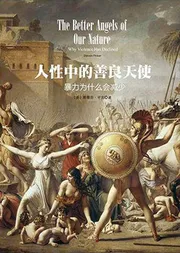
📄The Better Angels of Our Nature by Steven Pinker is a landmark work arguing that violence has declined dramatically throughout human history. Drawing on extensive data from psychology, archaeology, history, and neuroscience, Pinker demonstrates that we may be living in the most peaceful era humanity has ever known. He explores the forces behind this decline—including the rise of nation-states, commerce, literacy, and expanding circles of empathy—while examining the "inner demons" and "better angels" that shape human behavior. Challenging pervasive pessimism about modern society, this sweeping, provocative book offers a compelling, data-driven case for human progress and the possibility of lasting peace.
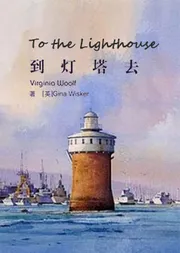
📄To the Lighthouse (1927), Virginia Woolf's masterpiece, centers on the Ramsay family's visits to their summer home on the Isle of Skye before and after World War I. Divided into three sections—"The Window," "Time Passes," and "The Lighthouse"—the novel follows an anticipated boat trip that is delayed for years by war, death, and the passage of time. Through innovative stream-of-consciousness narration, Woolf explores memory, loss, gender roles, and the tension between art and life, embodied in painter Lily Briscoe's struggle to complete her vision. A landmark of modernist literature, it transforms ordinary moments into profound meditations on time and human connection.
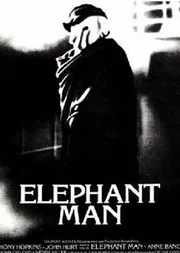
📄In the fog-shrouded streets of Victorian London, a severely deformed young man known as the Elephant Man endures humiliation, displayed as a freak in carnival sideshows. When Dr. Frederick Treves discovers Joseph Merrick, he brings him to the London Hospital, offering him refuge for the first time in his life. Beneath the grotesque exterior lies a gentle, intelligent soul—a lover of poetry and art. As society's elite flock to meet him, Merrick's story challenges all who encounter him to confront their own humanity. This is a moving tale of cruelty and kindness, prejudice and compassion, revealing that true beauty resides within.
📄When Lin Xiaoyu fails her postgraduate entrance examination by three points, she returns home with nothing but a worn vocabulary book containing 5,500 words. Determined to try again, she begins a year of relentless memorization, where each English word unexpectedly mirrors her inner world. "Abandon" recalls her father who left; "persevere" echoes her mother's factory shifts; "ambition" tastes bittersweet. Between dawn recitations and midnight reviews, Lin befriends fellow dreamers in a cramped study room, each fighting their own battles. As the second exam approaches, she realizes those 5,500 words were never just vocabulary—they were fragments of a life being rewritten.
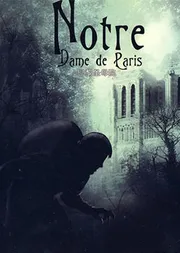
📄Notre-Dame de Paris, written by Victor Hugo and published in 1831, is a Gothic masterpiece set in 15th-century Paris. The story centers on Quasimodo, the deformed bell-ringer of Notre-Dame Cathedral, who falls devotedly in love with the beautiful gypsy dancer Esmeralda. Esmeralda is also desired by the obsessive archdeacon Claude Frollo, whose destructive lust drives the tragedy, and by the handsome yet faithless captain Phoebus. When Esmeralda is falsely accused of murder and sentenced to death, Quasimodo rescues her and grants her sanctuary within the cathedral. Through themes of love, fate, beauty, and social injustice, Hugo's novel became an enduring classic of world literature.
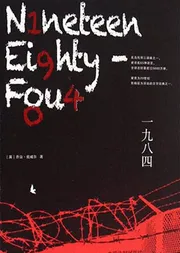
📄Nineteen Eighty-Four, George Orwell's dystopian masterpiece published in 1949, depicts a totalitarian society ruled by Big Brother and the Party. The regime controls every aspect of life through constant surveillance, propaganda, and Newspeak, a language designed to eliminate freedom of thought. Winston Smith, a low-ranking Party member working at the Ministry of Truth rewriting historical records, secretly harbors rebellious thoughts. He begins a forbidden love affair with Julia and seeks resistance, but they are betrayed and arrested by the Thought Police. In Room 101, Winston faces his worst fear and is broken, ultimately betraying Julia and learning to love Big Brother.