classic novels
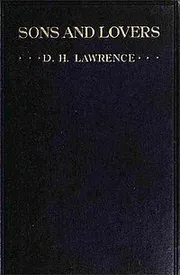
📄Sons and Lovers (1913) is a semi-autobiographical novel by D.H. Lawrence. Set in a Nottinghamshire coal-mining community, it follows Paul Morel, a sensitive young artist torn between his intense devotion to his mother, Gertrude, and his romantic relationships with Miriam Leivers and Clara Dawes. Gertrude, trapped in an unhappy marriage to a rough miner, pours her emotional energy into her sons, creating a suffocating bond that prevents Paul from achieving independent love. The novel powerfully explores themes of family psychology, class conflict, industrialization, and working-class struggles, establishing Lawrence as a major voice in modern English literature.
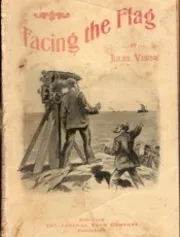
📄"Facing the Flag" by Jules Verne tells the story of Thomas Roch, a brilliant French inventor who has created Turmaline, a devastating explosive of unprecedented power. When his own government refuses to meet his demands, the embittered scientist descends into madness and is kidnapped by the notorious pirate Ker Karraje, who hides in Back Cup, a hollow island in the Bermudas. Narrated by engineer Simon Hart, who poses as Roch's caretaker, the novel follows the struggle to prevent pirates from weaponizing the invention. In a dramatic climax, Roch's dormant patriotism awakens, and he destroys the pirate stronghold, sacrificing himself for his homeland.
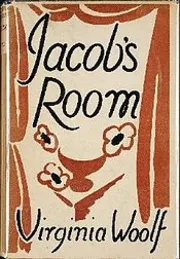
📄Jacob's Room (1922), Virginia Woolf's third novel, traces the life of Jacob Flanders from his boyhood on the English coast through his years at Cambridge to his adulthood in London. Rather than entering Jacob's mind directly, Woolf constructs his character through fragmented impressions of those around him—friends, lovers, and strangers—revealing how elusive another person's inner life truly is. Set against pre-war England, the novel's elegiac tone culminates in World War I, when Jacob's empty room becomes a haunting symbol of a generation lost. A landmark of literary modernism, it pioneered Woolf's experimental stream-of-consciousness narrative style.
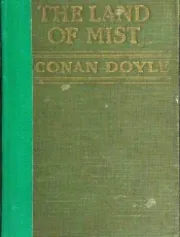
📄In a remote valley shrouded in perpetual fog, young cartographer Elena Voss discovers a hidden realm where the mists conceal ancient secrets—and the spirits of those who vanished centuries ago. When her brother disappears during an expedition, Elena ventures beyond the mist's edge, finding a world where time flows differently and shadows remember the living. Guided by a mysterious wanderer who has guarded the boundary for generations, she must unravel the land's tragic history before the mist claims her too. A haunting tale of loss, memory, and the thin veil between worlds, where what is hidden is not always lost.
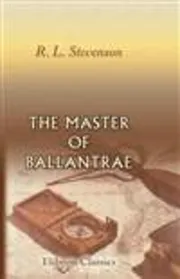
📄The Master of Ballantrae (1889) by Robert Louis Stevenson is a tale of brotherly rivalry set against the Jacobite rising of 1745. When James Durie, the Master of Ballantrae, joins the rebellion while his younger brother Henry remains loyal to the Crown, their fates dramatically diverge. Presumed dead after the failed uprising, James returns to torment his brother, embroiling the family in deceit and hatred. Their bitter feud spans Scotland, India, and the American wilderness, culminating in a fateful final confrontation. Narrated by the family steward Ephraim Mackellar, this dark adventure explores obsession, betrayal, and the destructive nature of evil.
📄The Jimmyjohn Boss and Other Stories, a 1911 collection by Dane Coolidge, captures the rugged spirit of the American Southwest frontier. Through vivid tales of cowboys, prospectors, and desert wanderers, Coolidge brings to life the harsh yet alluring landscapes of Arizona and the Mexican borderlands. The title story follows a cowboy's adventures with a chuck wagon, while other tales explore themes of love, loyalty, humor, and survival in an untamed land. Rich with authentic Western dialect and keen observation of frontier character, these stories offer readers an entertaining glimpse into a vanishing era of American history.
📄Perfume: The Story of a Murderer, by Patrick Süskind, follows Jean-Baptiste Grenouille, born in 1738 in the foul-smelling streets of Paris. Endowed with an extraordinary sense of smell but possessing no personal scent himself, Grenouille becomes obsessed with capturing the world's most beautiful aromas. Apprenticed to a perfumer, he discovers that the ultimate fragrance lies in beautiful young virgins, and begins murdering them to distill their essence. His dark quest culminates in a perfume so powerful it manipulates human emotion itself. A haunting blend of historical fiction and dark fantasy, the novel explores genius, obsession, identity, and the terrifying nature of evil.
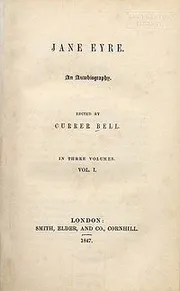
📄Jane Eyre, Charlotte Brontë's classic 1847 novel, chronicles the life of an orphaned heroine who endures cruelty at her aunt's home and hardship at Lowood School before becoming a governess at Thornfield Hall. There, she falls deeply in love with her brooding employer, Mr. Rochester. On their wedding day, she discovers he already has a wife—the madwoman Bertha Mason, hidden in the attic. Heartbroken, Jane flees and nearly succumbs to poverty, but ultimately gains independence through an unexpected inheritance. Rejecting a loveless proposal from St. John Rivers, she returns to find Thornfield ruined by fire and Rochester blinded. Their reunion culminates in an equal, passionate marriage.