classic novels
📄Gryll Grange, Thomas Love Peacock's final novel (1861), is a witty satirical comedy set on a Victorian country estate. The story centers on Mr. Falconer, a wealthy, scholarly bachelor who prides himself on his independence from matrimony, and his circle of cultivated friends, including the genial Epicurean Reverend Doctor Opimian. Through elegant dinner-table conversations filled with classical allusions, songs, and repartee, Peacock satirizes contemporary fads—spiritualism, utilitarianism, the electric telegraph, and fashionable social reforms. When Falconer encounters the enchanting Morgana Calidore, his bachelor principles are tested. Blending romance, parody of medieval chivalry, and utopian dreaming, the novel celebrates civilized conversation, good living, and gentle irony.
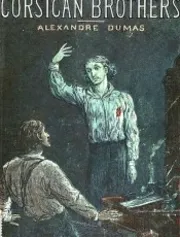
📄The Corsican Brothers is a novella by Alexandre Dumas, first published in 1844. The story follows twin brothers, Louis and Lucien de Franchi, who were separated shortly after birth yet share a mysterious psychic bond—each feels the other's pain and emotions despite living far apart. Louis remains in Corsica, bound by family honor and a blood vendetta, while Lucien pursues a political career in Paris. Narrated through the eyes of a visiting traveler, the tale explores themes of fate, vengeance, and supernatural connection. The novella builds toward a tragic climax as destiny draws the brothers toward an inevitable, fatal end.
📄Round the Red Lamp (1894) is a collection of short stories by Arthur Conan Doyle, taking its title from the red lamp traditionally hung outside a doctor's practice. Drawing on his own experience as a physician, Doyle presents fifteen tales exploring the medical profession from diverse angles—poignant, humorous, and occasionally macabre. Notable pieces include "Lot No. 249," an early horror story about a reanimated mummy; "The Parasite," a chilling tale of hypnotism; and "The Brown Hand," a ghost story. Blending medical realism with mystery, comedy, and the supernatural, the collection demonstrates Doyle's remarkable versatility beyond his famous Sherlock Holmes stories.
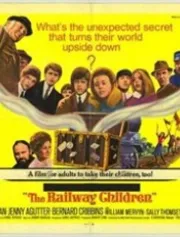
📄The Railway Children, written by E. Nesbit in 1906, tells the story of three siblings—Roberta, Peter, and Phyllis—whose lives change dramatically when their father is mysteriously taken away. Their mother moves them from comfortable London life to a modest cottage near a railway in the countryside. Fascinated by the trains, the children befriend railway workers and a kind elderly gentleman who travels on the morning train. Through courage and kindness, they prevent a terrible accident, help those in need, and never stop hoping for their father's return. Eventually, the old gentleman helps prove their father's innocence, and the family is joyfully reunited—a heartwarming tale of love, hope, and resilience.
📄"The Lucky One" is a romantic novel by Nicholas Sparks. U.S. Marine Logan Thibault discovers a photograph of a smiling young woman half-buried in the dirt during his tour in Iraq. After surviving several deadly encounters, he credits the mysterious photo as his lucky charm. Following his discharge, Logan walks across the country with his loyal dog Zeus to find the woman—Beth, a divorced mother working at her family's kennel in North Carolina. As love blossoms between them, Beth's vengeful ex-husband threatens their newfound happiness, forcing Logan to confront the truth about the secret that brought him to her.
📄Herman Wouk's The Winds of War is an epic historical novel following the Henry family through the turbulent years leading to World War II. Navy Captain Victor "Pug" Henry serves as naval attaché in Berlin, witnessing the rise of Nazi Germany and gaining rare access to Hitler's inner circle. As war engulfs Europe, his family disperses across the globe: son Byron falls in love with Natalie Jastrow, a young Jewish woman trapped in Europe, while Pug becomes entangled with Pamela Tudsbury, a British broadcaster's wife. Blending fictional characters with historical figures, the novel masterfully weaves personal drama with monumental world events, culminating in Pearl Harbor.
📄The Wyvern Mystery (1869) by J. Sheridan Le Fanu is a gripping Victorian Gothic novel. Orphaned Alice Maybell, raised at Carwell Grange by the stern Squire Fairfield, falls in love with his younger son Harry, defying the squire's own designs upon her. After their marriage, the couple settles at the decaying estate of Wyvern, where shadowy corridors conceal a terrible family secret. A mysterious woman hidden within the house, whispers of madness, and long-buried crimes gradually come to light. Blending romance, suspense, and psychological unease, the novel builds toward a chilling revelation that exposes the sinister legacy of the Fairfield family.
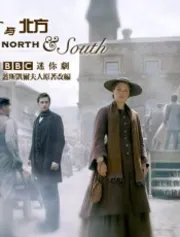
📄Elizabeth Gaskell's 1855 novel "North and South" follows Margaret Hale, a young woman from rural southern England whose father's religious crisis forces the family to relocate to Milton, a smoky industrial town in the north. Shocked by the poverty and class conflict surrounding the cotton mills, Margaret witnesses the tension between manufacturer John Thornton and his striking workers. Despite initial mutual disdain and prejudice, Margaret and Thornton gradually develop deep feelings for each other. Amid hardship, tragedy, and financial ruin, the novel explores themes of industrialization, class, gender, and the possibility of reconciliation between two very different worlds.
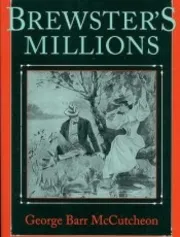
📄Brewster's Millions, written by George Barr McCutcheon in 1902, tells the story of Montague Brewster, a young bank clerk who inherits one million dollars from his grandfather. However, to receive an even larger fortune—seven million dollars—from his late uncle, he must spend the entire million within a year, ending with nothing to show for it. Forbidden from gambling it away, donating recklessly, or telling anyone the conditions, Monty struggles to squander his wealth as his extravagant spending spirals hilariously out of control. This comedic novel explores themes of money, waste, and the true value of wealth.
📄Madame Bovary, Gustave Flaubert's masterpiece published in 1857, tells the tragic story of Emma Bovary, a young woman married to a dull country doctor, Charles Bovary. Yearning for the passion and luxury she has read about in romantic novels, Emma grows disillusioned with her mundane provincial life. She engages in adulterous affairs with Rodolphe and Léon, while accumulating crushing debts through extravagant spending. As her illusions collapse and creditors close in, Emma descends into despair and ultimately takes her own life with arsenic. A pioneering work of literary realism, the novel incisively critiques romantic fantasy, bourgeois mediocrity, and the constraints imposed on women in nineteenth-century France.
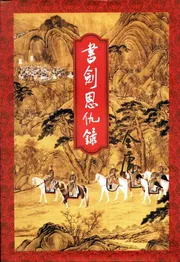
📄The Book and the Sword, Jin Yong's debut wuxia novel, is set during the reign of the Qianlong Emperor of the Qing Dynasty. It follows Chen Jialuo, the scholarly leader of the Red Flower Society, a secret brotherhood sworn to overthrow Manchu rule. When the society discovers that Qianlong is secretly a Han Chinese—Chen's own long-lost brother—they attempt to persuade him to restore Chinese governance. Torn between brotherhood, patriotism, and imperial power, the emperor ultimately betrays their trust. Interwoven with the tragic love story of Princess Fragrance and sweeping adventures across the empire, the novel explores loyalty, sacrifice, and the cost of revolution.
📄Gossip Girl, a novel series by Cecily von Ziegesar, follows the glamorous yet scandalous lives of privileged teenagers living on Manhattan's Upper East Side. At the center of the story are Serena van der Woodsen, a beautiful and rebellious it-girl who mysteriously returns from boarding school, and her former best friend Blair Waldorf, the Queen Bee who rules the social scene. Narrated through the eyes of an anonymous blogger known as "Gossip Girl," the story unveils their world of luxury, betrayal, romance, and fierce rivalries. As secrets are exposed and friendships shatter, these wealthy teens discover that fame and fortune come with a price.
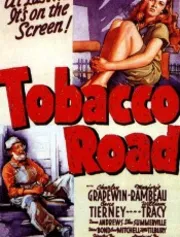
📄Tobacco Road (1932) by Erskine Caldwell is a grim yet darkly comic novel depicting the extreme poverty of sharecroppers in rural Georgia. It centers on Jeeter Lester, a stubborn, starving farmer who refuses to abandon his barren tobacco land despite his family's desperate condition. Living in squalor with his wife Ada and their children—including Ellie May, born with a harelip, and the dim-witted Dude—the family drifts through hunger, failed crops, and moral decay. Caldwell's unsparing portrayal of ignorance, incest, and starvation scandalized readers but became a bestseller. The novel stands as a powerful indictment of rural Southern poverty during the Great Depression.
📄For millennia, she has been whispered about in fear—Adam's first wife, cast out of Eden for refusing to kneel. But Lilith's true story has never been told. When young scholar Sarah Cohen discovers a forbidden scroll hidden in an ancient Cairo archive, she awakens something that has slumbered for centuries. Lilith returns to a modern world teetering on the brink of collapse, seeking neither vengeance nor worship, but redemption—for herself and humanity. As angels and demons converge on Jerusalem, Sarah must decide whether Lilith is the world's greatest monster or its last hope. Some legends were buried for a reason.
📄Before Adam is a 1907 novel by Jack London that explores human prehistory through the vivid dreams of a modern man. The narrator experiences inherited racial memories of life as Big-Tooth, his primitive hominid ancestor living among a cave-dwelling "Horde" during the Mid-Pleistocene era. Through these visions, the novel depicts a brutal primal world filled with struggles for survival, conflicts with the more advanced "Fire People," tribal rivalries, and encounters with fierce prehistoric beasts. Blending evolutionary theory with adventure storytelling, London offers a speculative vision of humanity's origins, examining themes of instinct, ancestral memory, and the savage nature buried deep within modern consciousness.
📄In Georgian London, Lord Harry Vane inherits a fortune and a taste for excess. Handsome, witty, and utterly unprincipled, he plunges into a world of gambling dens, brothels, and duels, leaving ruin wherever his charm prevails. But debts mount, allies vanish, and a wronged woman's quiet persistence begins to haunt him. As his fortune crumbles and betrayal closes in, Harry faces the wreckage of his choices—prison, poverty, or the one redemption he never sought. A vivid tale of vice, vanity, and the steep price of pleasure, The Rake's Progress charts one man's fall from glittering privilege to desperate grace.
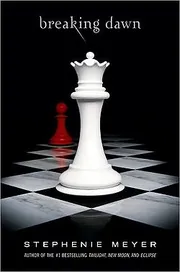
📄Breaking Dawn, the final installment of Stephenie Meyer's Twilight Saga, follows Bella Swan as she marries the vampire Edward Cullen. During their honeymoon, Bella conceives a half-human, half-vampire child—a pregnancy that drains her life with alarming speed. After a harrowing delivery, Edward transforms Bella into a vampire to save her. Their daughter, Renesmee, becomes the target of the Volturi, the vampire ruling council, who mistake her for an illegal immortal child. The Cullens gather allies from around the world to prove the child poses no threat, culminating in a tense confrontation that will determine the family's fate.
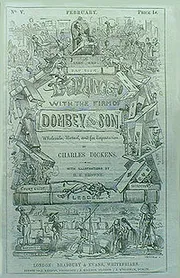
📄Dombey and Son (1846–1848) is a novel by Charles Dickens depicting Paul Dombey, a proud and wealthy London shipping merchant who dreams of his firm's future under his son Paul. Coldly indifferent to his daughter Florence, Dombey's world collapses when young Paul dies and his second marriage fails. Bankruptcy and despair follow, until Florence's unwavering love finally redeems him. Through tragedy and reconciliation, Dickens critiques Victorian capitalism, gender prejudice, and parental pride, while celebrating compassion and family bonds. The novel marks a turning point in Dickens's career with its unified plot and mature psychological portrayal of characters.
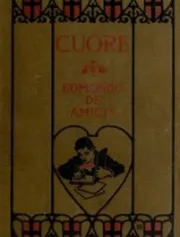
📄Cuore (Heart), written by Italian author Edmondo De Amicis and published in 1886, is a beloved classic presented as the diary of a young boy named Enrico Bottini. Set in Turin, the novel chronicles Enrico's experiences during his school year, capturing his encounters with memorable classmates such as the noble Garrone, the diligent Precossi, and the courageous Nelli. Interwoven with inspiring monthly tales of heroism and heartfelt letters from his parents, the book imparts timeless lessons about patriotism, kindness, friendship, and compassion. Celebrated across generations and translated worldwide, Cuore remains a moving tribute to youth, education, and the enduring power of love.
📄A Millionaire of Rough and Ready is a novel by Bret Harte, published in 1884, set during the California Gold Rush. The story unfolds in Rough and Ready, a rough-hewn mining camp in the Sierra Nevada foothills, where dreams of sudden fortune collide with the harsh realities of frontier life. Harte skillfully portrays the camp's colorful inhabitants—miners, prospectors, and spirited women—as they navigate romance, ambition, and moral dilemmas. Through vivid local color, humor, and sentiment, the novel examines how wealth transforms character and relationships, capturing the restless energy, rough justice, and unexpected tenderness of Gold Rush California in the author's characteristic literary style.