classic novels
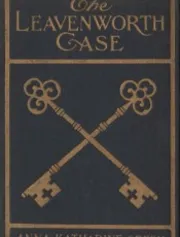
📄The Leavenworth Case (1878) by Anna Katharine Green is a landmark of early detective fiction. When wealthy merchant Horatio Leavenworth is found shot dead in his locked library, suspicion falls on his two beautiful nieces and heirs, Mary and Eleanore. Young lawyer Everett Raymond, captivated by both women, assists the shrewd detective Ebenezer Gryce as clues—a torn letter, a vanished servant, a mysterious stranger—lead through a maze of secrets, romance, and betrayal. Blending courtroom drama with psychological suspense, the novel became a bestseller, influenced generations of mystery writers, and established Green as the pioneering "mother of detective fiction."
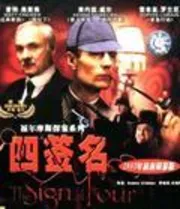
📄The Sign of the Four (1890) is the second novel by Arthur Conan Doyle featuring Sherlock Holmes. The story begins when Mary Morstan seeks Holmes's help after receiving anonymous pearls and a cryptic note linked to her father's mysterious disappearance. The investigation leads Holmes and Watson through London's foggy streets into a tale involving a hidden Indian treasure, a secret pact among four convicts, a one-legged man named Jonathan Small, and his deadly companion Tonga. The novel explores themes of greed, colonialism, and betrayal, while also introducing Watson's romance with Mary Morstan, adding emotional depth to this classic detective adventure.
📄In a kingdom where heroes are manufactured, not born, Kael Thorne is the empire's perfect weapon—forged in secret, celebrated in propaganda, and believed by millions to be the savior foretold in ancient prophecy. But when a botched mission exposes the truth behind his fabricated legend, Kael begins to question everything: the gods he serves, the war he fights, and the stranger staring back from the mirror. Hunted by the very kingdom that created him, he must choose—expose the lie holding society together, or become the hero they desperately need, even if the myth is false. Some legends are worth dying for. Others are worth destroying.
📄Upton Sinclair's The Jungle (1906) follows Jurgis Rudkus, a Lithuanian immigrant who comes to Chicago with his family chasing the American Dream. They find work in the city's meatpacking industry, where they endure brutal conditions, exploitation, and corruption. As tragedy strikes—losing his job, his home, and his beloved wife—Jurgis spirals into poverty, crime, and despair before discovering socialism as a path to hope. Based on Sinclair's undercover investigation of Chicago's stockyards, the novel exposed shocking unsanitary practices in food production, prompting major reforms. A landmark of muckraking literature, it remains a searing critique of unchecked capitalism and industrial greed.
📄The Blue Fairy Book, first published in 1889, is Andrew Lang's enchanting collection of classic fairy tales that has delighted generations of readers. This timeless anthology gathers beloved stories from around the world, including "Sleeping Beauty," "Cinderella," "Little Red Riding Hood," "Beauty and the Beast," and "Aladdin and the Wonderful Lamp." Drawing from the oral traditions of Europe, Asia, and the Middle East, Lang preserves the magic, wonder, and moral wisdom of folklore. Filled with brave heroes, wicked villains, magical creatures, and happy endings, this treasure trove of storytelling remains an essential gateway into the world of fairy tales for readers young and old.
📄Almayer's Folly, Joseph Conrad's debut novel published in 1895, tells the tragic story of Kaspar Almayer, a Dutch trader living in the Malay Archipelago. Married to the adopted Malay daughter of Captain Lingard, Almayer dreams of immense wealth and a glorious European future for his beloved daughter, Nina. His ambitions rest on discovering hidden treasure and building a trading empire. However, everything collapses when Nina falls in love with Dain Maroola, a Malay prince, and chooses to embrace her Eastern heritage. Abandoned by his daughter and consumed by despair, Almayer descends into opium addiction and dies broken. The novel explores colonialism, cultural identity, and the destructive power of illusion.
📄John Barleycorn (1913) by Jack London is an autobiographical novel subtitled "Alcoholic Memoirs." The title derives from the British folk ballad personifying alcohol as a character who suffers and dies, only to return stronger. London chronicles his lifelong struggle with drink, beginning with his first taste of alcohol as a young oyster pirate in San Francisco Bay. Through vivid episodes as a sailor, gold prospector, and struggling writer, he examines alcohol's seductive grip on working men and creative minds alike. Neither purely condemnation nor celebration, the work serves as a powerful personal testimony that later contributed to the prohibition movement in America.
📄Mary Turner, an innocent young shopgirl, is falsely accused of theft by her wealthy employer and sentenced to prison. Bitter and transformed by injustice, she vows revenge upon her release—but swears to remain strictly "within the law." Joining forces with cunning criminals, she orchestrates elaborate schemes that exploit legal loopholes to torment the wealthy and powerful. When she becomes engaged to the son of the man who wronged her, her quest for vengeance grows dangerously complicated. As hidden truths emerge and the real culprit is revealed, Mary must choose between revenge and redemption, learning that true justice sometimes lies beyond retribution.
📄Ian Fleming's Thunderball follows James Bond as he confronts SPECTRE, the criminal organization led by Ernst Stavro Blofeld. When SPECTRE operative Emilio Largo hijacks a NATO bomber carrying two atomic bombs, he demands a £100 million ransom, threatening to destroy a major Western city. Bond is dispatched to the Bahamas, where he teams up with CIA ally Felix Leiter and Domino Vitali, Largo's beautiful mistress harboring a personal grudge. Amid luxurious casinos and coral reefs, Bond races to locate the hidden warheads before time runs out. The novel culminates in a deadly underwater battle determining the fate of millions.
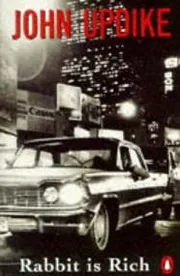
📄In "Rabbit Is Rich," the third installment of John Updike's celebrated Rabbit series, Harry "Rabbit" Angstrom has finally found prosperity. At forty-six, he runs a successful Toyota dealership inherited from his father-in-law, enjoying unexpected wealth during the 1979 energy crisis. Yet contentment proves elusive. His restless son Nelson threatens the family business, memories of his former lover Ruth linger, and a runaway girl named Jill brings turmoil into his home. Set against inflation, gas shortages, and shifting American values, Updike's Pulitzer Prize-winning novel masterfully explores middle age, mortality, marriage, and the quiet desperation hidden beneath suburban abundance.
📄The Trumpet Major, published in 1880, is one of Thomas Hardy's historical novels set during the Napoleonic Wars. The story takes place in the village of Overcombe, where the beautiful Anne Garland is loved by two brothers: John Loveday, a dignified trumpet major in the dragoons, and his carefree younger brother Bob, a sailor. As England fears a French invasion, Anne's romantic entanglements unfold against a vivid backdrop of military camps and rural life. Though Anne's heart shifts between the brothers, Hardy crafts a gentle, nostalgic tale of love, loyalty, and sacrifice, ending with poignancy rather than pure happiness.
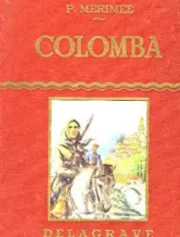
📄In the war-scarred hills of an unnamed country, ornithologist Elena Marsh arrives to study the last surviving flock of wild doves—birds believed extinct since the bombardments. There she encounters Columba, a mute boy living alone in a ruined monastery, who shares an inexplicable bond with the flock. As Elena unravels the mystery of the boy's origins, she is forced to confront the ghosts of her own past and the town's buried secrets. Columba is a haunting tale of loss, redemption, and the fragile threads that bind us—where silence speaks louder than words, and hope finally takes wing.
📄Rilla of Ingleside, the final novel in L.M. Montgomery's Anne of Green Gables series, follows Anne Shirley's youngest daughter, Rilla Blythe, during World War I. At fifteen, Rilla is a carefree girl dreaming of dances and romance. As war sweeps across Prince Edward Island, her brothers and beloved Kenneth Ford enlist, transforming her world forever. Through years of anxiety and sacrifice, Rilla matures into a brave young woman—adopting a war orphan baby, volunteering for the Red Cross, and enduring heartbreaking loss. Spanning 1914 to 1919, this poignant coming-of-age story vividly portrays the Canadian home front during wartime.
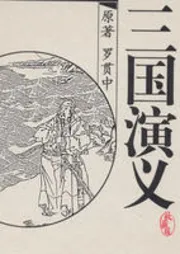
📄Romance of the Three Kingdoms, attributed to Luo Guanzhong, is one of the Four Great Classical Novels of Chinese literature. Set in the turbulent third century, it chronicles the collapse of the Han Dynasty and the fierce rivalry among the kingdoms of Wei, Shu, and Wu. Blending history and legend, the epic portrays unforgettable heroes such as Liu Bei, Guan Yu, Zhang Fei, the brilliant strategist Zhuge Liang, and the cunning Cao Cao. Through grand battles, clever strategies, and shifting alliances, the novel explores loyalty, brotherhood, ambition, and the rise and fall of power, famously declaring that the empire, long divided, must unite; long united, must divide.
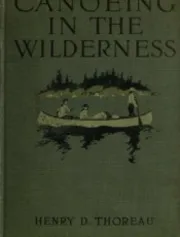
📄"Canoeing in the Wilderness" by Henry David Thoreau is a posthumously published narrative drawn from his journeys through the Maine woods in the mid-nineteenth century. The book recounts Thoreau's canoe expedition along rivers and lakes, guided by Joe Polis, a skilled Penobscot Indian. With a naturalist's keen eye, Thoreau documents the pristine forests, wildlife, and waterways of the untamed wilderness, while also observing the lives of loggers and Native Americans. Beyond adventure, the work explores nature's spiritual and restorative power, lamenting the encroachment of civilization. It remains a classic of American nature writing, celebrating solitude, self-reliance, and the wild's enduring beauty.
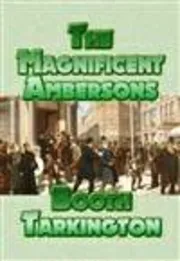
📄The Magnificent Ambersons (1918) by Booth Tarkington chronicles the decline of a wealthy Midwestern family during America's industrial transformation. The once-powerful Ambersons of Indianapolis watch their social dominance erode as new money and the automobile age reshape the city. At the center is George Amberson Minafer, the arrogant, spoiled heir whose pride destroys those around him—including his widowed mother Isabel's chance at happiness with Eugene Morgan, an automobile magnate and her former suitor. As family fortunes crumble, George suffers both material and spiritual downfall. Winner of the 1919 Pulitzer Prize, the novel offers a poignant meditation on pride, change, and redemption in a rapidly modernizing America.
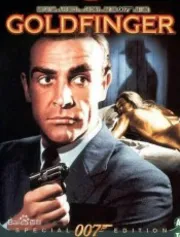
📄In Ian Fleming's Goldfinger, James Bond is assigned to investigate Auric Goldfinger, one of the richest men in Britain and a suspected gold smuggler. After a tense golf match reveals Goldfinger's treacherous nature, Bond uncovers a sinister scheme: Operation Grand Slam, a daring plot to steal fifteen billion dollars in gold from Fort Knox. Assisted by Pussy Galore, leader of an all-female flying circus, and pursued by Oddjob—a henchman armed with a lethal steel-rimmed bowler hat—Bond must infiltrate Goldfinger's operation before this audacious heist cripples the Western world's economy and funds enemy operations.
📄In a world shattered by the gods' ancient war, beasts roam the wilds and men cling to scattered citadels. When a young hunter discovers he carries the blood of a forgotten deity, he becomes the target of both divine wrath and beast-clan ambition. Torn between his human village and the awakening power within, he must forge an uneasy alliance with a beast-princess hunted by the heavens. As gods descend to reclaim their dominion, the lines between man, beast, and divinity blur. His choice will decide whether the world is remade—or consumed by the flames of forgotten wars.
📄In "Story of My Life," acclaimed novelist Elena Marsh sits down to write her memoir, only to discover that memory is an unreliable narrator. As she sifts through letters, photographs, and fractured recollections, the boundaries between truth and invention begin to blur. From a childhood marked by loss to a career built on reinvention, Elena confronts the people she loved, the choices she regrets, and the stories she told herself to survive. A moving meditation on identity, forgiveness, and the power of narrative, this novel asks: when we write our own lives, are we recording history—or creating it?
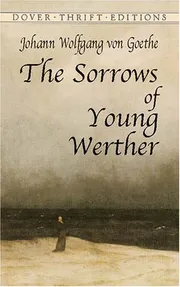
📄The Sorrows of Young Werther is an epistolary novel by Johann Wolfgang von Goethe, published in 1774. It tells the story of Werther, a sensitive and passionate young artist who moves to a small town and falls deeply in love with Charlotte, a beautiful woman already betrothed to another man, Albert. Despite knowing their love is impossible, Werther's devotion consumes him entirely, plunging him into profound despair. Tormented by unrequited love and unable to find solace, he ultimately takes his own life. The novel became an instant sensation across Europe, sparking "Werther Fever," establishing Goethe's literary fame, and profoundly influencing the Romantic movement.